 Private Tours Florence Italy
Home › Guides › When Is the Best Time to Visit Florence?
When Is the Best Time to Visit Florence?
The best time to visit Florence is late September through October, when average highs sit in the low 70s Fahrenheit and the summer crowds are gone. April and early May are the second-best window, with mild weather and the Iris garden in bloom.
Quick answer The short answer on when to go to Florence
The best time to visit Florence is late September through October, with average highs in the low 70s Fahrenheit and fewer tourists. April and early May offer the same balance in spring. Winter brings the lowest prices and the shortest Uffizi lines.
Key takeaways
- Compare private tours in Florence, Italy month by month before you book
- Book a dawn DAVID and Accademia Gallery Private Tour in high season to skip the lines
- Pair the city with wine country on a Private Chianti Safari: Off Road Tuscany Wine Tour with Lunch from Florence in autumn
- Visit state museums free on the first Sunday of any month
What is the best month to go to Florence?
October is the best single month, and late September into October is the best window overall.
October sits in the fall sweet spot. Average highs reach the low 70s Fahrenheit and tourist numbers drop from the summer peak. The weather stays warm enough for open-air dining and the light is good for photography. If you want spring instead, aim for late April or early May, before school-trip season peaks.
Best windows at a glance
Late September to October wins on weather and crowds together. April and early May are the best spring window. November through February wins on price and quiet.
July and August suit travellers who want long evenings and do not mind heat in the upper 80s Fahrenheit.
| Window | Weather | Crowds | Best for |
|---|---|---|---|
| Late September to October | Highs in the low 70s F | Fewer tourists | The best overall balance |
| April to early May | 45 to 65 F, some showers | School trips lengthen museum lines | Gardens and spring events |
| November to February | Mid-30s to upper 50s F | Tourists at a minimum | Low prices and short Uffizi lines |
| June to August | Upper 80s F highs, very dry | Peak crowds | Festivals and long evenings |
Why not June
May and June are already high season, probably with the highest prices and tourist numbers of the year. June does host Fochi di San Giovanni and Calcio in Costume, so it rewards travellers who come for the festivals rather than the calm.
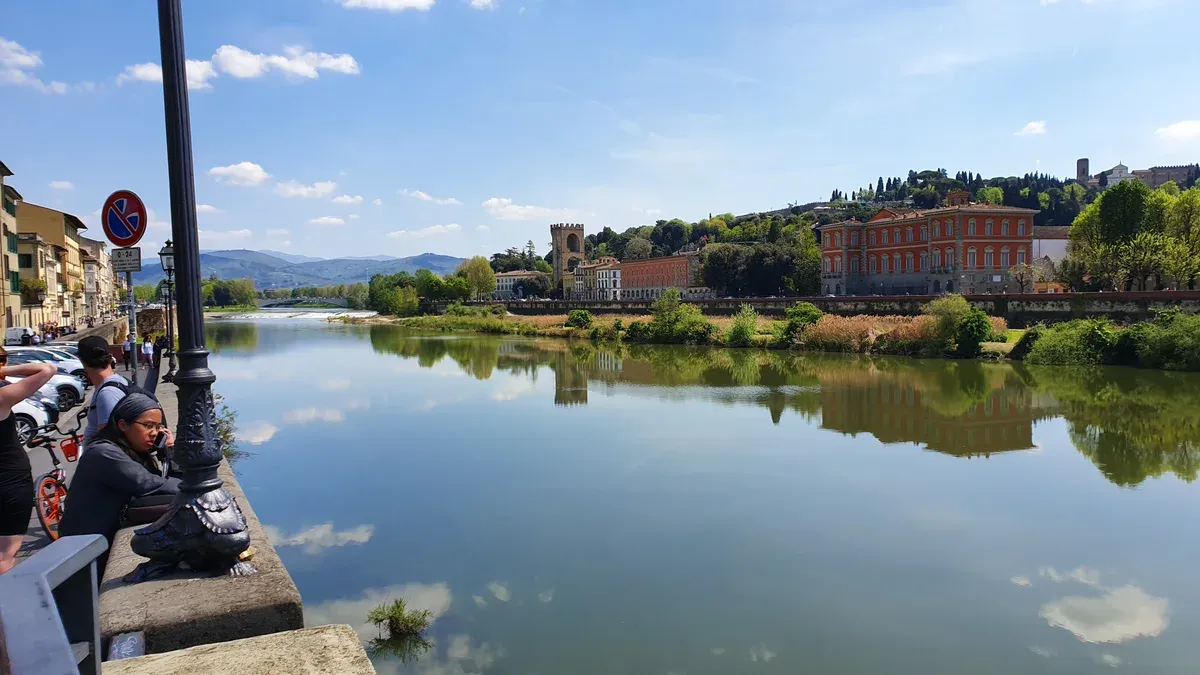
The Arno river flows through the centre of Florence with the hills on the far bank. Photo: Yair Haklai, CC BY-SA 4.0, via Wikimedia Commons
What is the weather like in Florence month by month?
January is the coldest month, July and August are the hottest, and summer is very dry with almost no rain.
Florence has four clear seasons. Winters are cold but mild compared with northern Europe. Summers are hot and dry. Spring and autumn bring the most comfortable temperatures. Use this table to match your dates to the weather you want.
Month-by-month table
Temperatures are typical daytime highs and overnight lows. Crowds and prices track each other closely, with May, June and September at the top of both.
| Month | Typical temperatures | Crowds and prices | Events |
|---|---|---|---|
| January | High 7°C (44°F), low 0°C (32°F) | One of the quietest months, low hotel rates | Cavalcata dei Magi parade with a live nativity and mass outside the Duomo |
| February | High 10°C (50°F), low 2°C (36°F) | Quiet, low prices | Carnival and schiacciata alla Fiorentina, a sweet pastry best known at Pasticceria Giorgio |
| March | High 16°C (61°F), low 5°C (41°F) | Rising crowds | Florentine New Year on March 25th with markets, street food and historical parades |
| April | 45 to 65°F, more rain showers | Busy, Easter and April 25th push prices up | Maggio Musicale Fiorentino begins, Iris garden opens late in the month |
| May | Mild spring days | High season, high prices | Maggio Musicale Fiorentino continues, Iris garden open to end of May, May 1st holiday crowds |
| June | Warm and dry | Peak crowds and prices | Fochi di San Giovanni, Calcio in Costume |
| July | Hottest month, very dry | Peak crowds and prices | Open-air dining and evening strolls |
| August | Hot, almost no rain | Peak, many Italians take vacation though central businesses stay open | Quiet locals, busy visitors |
| September | Highs around 80°F | Crowds easing after summer | Warm evenings, art festivals |
| October | Highs in the low 70s F | Fewer tourists | Fall sweet spot |
| November | Highs in the low 60s F | Weekdays quiet, weekends busier | Late autumn calm |
| December | Cold, mid-30s to upper 50s F | Low season rates | Florence Biennale, Christmas atmosphere |
Rain through the year
Summer is the dry season, with almost no rain in July and August. April brings more rain showers, so pack a light rain jacket if you travel in spring. A per-month rainfall table in millimetres is not stated by the sources, so treat spring and late autumn as the wetter periods and summer as reliably dry.
What is the quietest time to visit Florence?
The quietest time is January and February, and weekdays are quieter than weekends in every month.
Florence gets noticeably busier on Saturdays and Sundays year round, so a Tuesday in February beats a Saturday in November. Winter keeps tourists at a minimum and Uffizi lines short. Avoid Easter and the national holidays of April 25th and May 1st, which make the city very crowded.
Crowd levers that work in any season
Three levers control how many people you share the city with. First, travel midweek rather than on a weekend. Second, visit the big museums early in the morning or book a guided slot.
Third, remember the first Sunday of each month offers free admission to state-owned museums like the Uffizi and Bargello, which draws extra local crowds. From April to May, thousands of students on school trips get free museum entrance, so lines at the main museums grow longer.
Museum hours to plan around
The Uffizi opens Tuesday to Sunday from 8.15 am to 6.30 pm and closes on Mondays, 1 January and 25 December, with the ticket office closing at 5.30 pm. Palazzo Vecchio opens 9 to 19 every day except Thursday, when it opens 9 to 14. A Monday visit means planning around the Uffizi closure.
Tours That Fit
A guided slot beats any queue in busy months, and these guides are rated 5 out of 5 by hundreds of travellers.
 from $120.41
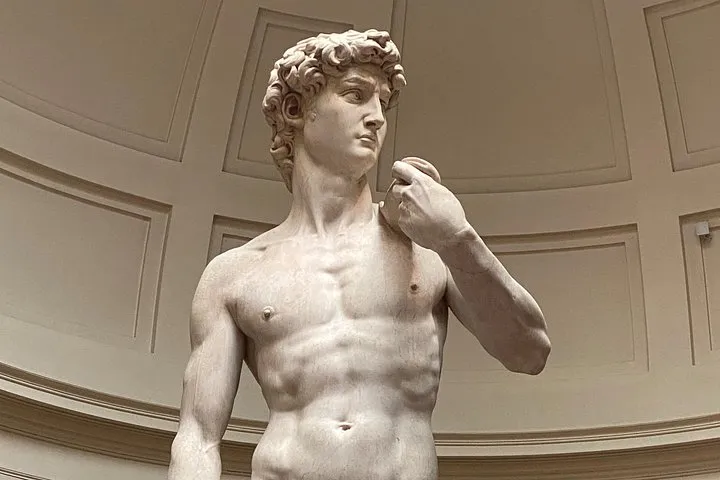
DAVID and Accademia Gallery Private Tour
A one-hour private visit to the David with the Accademia ticket and headsets in the price.
Check Availability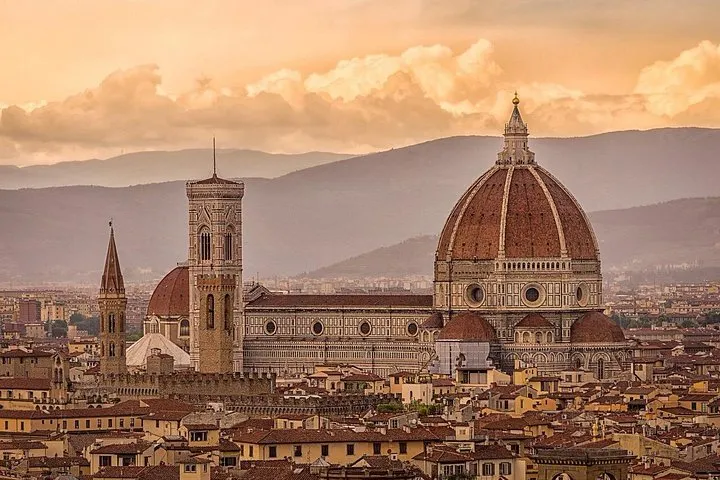 from $213.81
Private Florence Tour: 3-Hour Walking Tour with a Licenced Guide
Three private hours with a licensed guide from Santa Maria Novella to the Duomo and Ponte Vecchio, with the old pharmacy included.
Check AvailabilityWhat is the cheapest time to go to Florence?
Winter, from November through February, is the cheapest time, with reduced hotel rates and the fewest visitors.
Hotel rates drop when temperatures do. Winter temperatures between the mid-30s and upper 50s Fahrenheit keep tourists at a minimum and bring reduced hotel rates. April offers a higher chance of a hotel deal than the peak, though Easter can push prices up. May and June are among the most expensive months.
Price levels by season
Plan your budget around these levels. The exact cost of your trip depends on your hotel and flights, but the pattern holds every year.
| Season | Price level | Notes |
|---|---|---|
| November to February | Lowest | Reduced hotel rates, shortest lines |
| March and April | Moderate | Hotel deals possible outside Easter |
| May, June and September | Highest | Probably the highest prices of the year |
| July and August | High | Peak season for flights and hotels |
| October | Moderate to high | Sweet spot, so book early |
Free things that affect timing
The first Sunday of each month gives free admission to state-owned museums and archaeological sites, including the Uffizi and Bargello. Time a winter trip around a first Sunday and you get the lowest hotel rates and free entry to the top collections in the same weekend.
What festivals and events should I plan around?
June is the festival highlight, with Fochi di San Giovanni and Calcio in Costume, and the Maggio Musicale runs April to June.
Florence fills its calendar with traditions. The Maggio Musicale Fiorentino brings opera and concerts from April to June. On June 24th the Fochi di San Giovanni fireworks light the Arno and the Florentine Historic Soccer tournament, played in medieval costume, fills piazza Santa Croce. March 25th is the traditional Florentine New Year, with markets, street food and historical parades.
Event calendar
Book accommodation well ahead if your dates overlap with these events, because they pull crowds from across Tuscany.
| When | Event |
|---|---|
| January | Cavalcata dei Magi Epiphany parade in medieval costume, live nativity and mass outside the Duomo |
| February | Carnival, with schiacciata alla Fiorentina pastries |
| March 25th | Florentine New Year, markets, street food and parades |
| April to June | Maggio Musicale Fiorentino music festival |
| Late April to end of May | Iris garden open |
| June | Fochi di San Giovanni fireworks and Calcio in Costume in piazza Santa Croce |
| December | Florence Biennale and Christmas season |
Events that also mean crowds
Easter and the national holidays of April 25th and May 1st make Florence very crowded and more expensive. Enjoy the atmosphere, but reserve museums and restaurants in advance for those dates.
Is October a good time to visit Florence?
Yes, October is the fall sweet spot, with average highs in the low 70s Fahrenheit and fewer tourists than summer.
September and October together form the best window of the year. September highs average around 80°F and drop to the low 70s in October. Warm days, cooler evenings and thinner crowds make sightseeing easier. Book a Florence Vintage Electric Fiat 500 - Private City Tour in this season and you can ride with the windows down.
The other month questions
March is a good time if you want low prices and rising temperatures, with highs of 16°C (61°F). April is good for spring events and hotel deals, but expect rain showers and school-trip lines. May is excellent for weather and the Iris garden, though it is already high season with peak prices.
Late October through November gives the best balance of weather and crowds in autumn.
When is the best time to visit Florence and Tuscany together?
Late September through October works for both, with harvest season in the wine country and comfortable city weather.
City and countryside want the same months. Autumn brings the grape harvest to Chianti and mild days for walking Tuscan hill towns. A day trip runs comfortably in this window. The Private Day Trip Siena, San Gimignano and Chianti from Florence covers three classic destinations in 8 to 9 hours.
Combining city and country
Split your stay between Florence mornings and Tuscan afternoons. In winter, hill towns are quiet but days are short. In summer, the dry heat suits the countryside better than midday city sightseeing.
In May and June, expect the highest prices across the region.
How many days do I need in Florence?
Plan enough days to cover the Duomo, the Uffizi and the Accademia without rushing, and add more if you want day trips into Tuscany.
A compact centre rewards slow travel. Three to four days covers the major museums, the Duomo complex and the Oltrarno, with a day to spare for Siena, San Gimignano and Chianti or a Chianti wine safari. In peak months, add a day for queue time, or avoid it by booking guided slots in advance.
A four-day pattern by season
In winter, museums are quiet, so you can walk in on weekday mornings. From April to May, school trips lengthen lines at the main museums, so book timed entries. In July and August, sightsee early and rest at midday, when highs sit in the upper 80s Fahrenheit.
Booking timing tips
Reserve the Accademia for the first hour of the day in high season. Book the Uffizi for a weekday, since it closes on Mondays. Keep the first Sunday free only if you enjoy crowds, because state museums cost nothing then and everyone knows it.
Source: Uffizi Galleries.
Tours That Fit
Longer days out and city explorations for every season.
 from $383.81
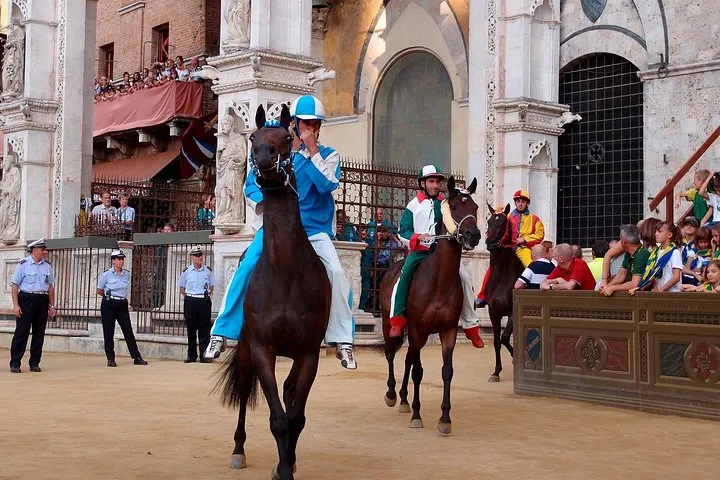
Private Day Trip Siena, San Gimignano and Chianti from Florence
The most booked day trip here: Siena, San Gimignano and Chianti in a private minivan for up to 6, from your hotel.
Check Availability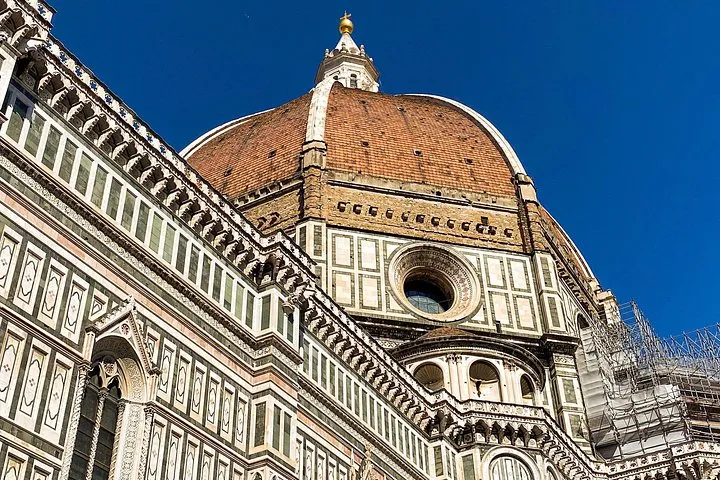 from $170.23
Florence Duomo Complex Private Guided Tour
Two private hours through the Baptistery, the Duomo Museum and the crypt with the Ghiberti pass included. No dome climb.
Check Availability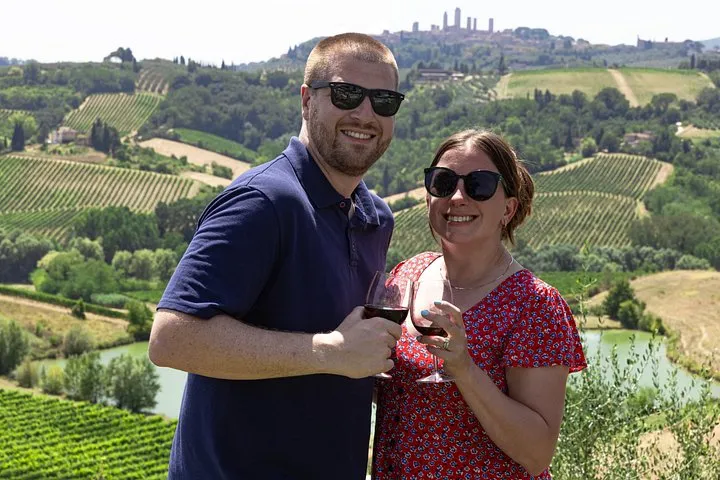 from $553.14
Private Chianti Safari: Off Road Tuscany Wine Tour with Lunch from Florence
A full day off road in the Chianti hills: two historic villas, 9 tastings and a Tuscan lunch in the price.
Check AvailabilityWhat should I pack for Florence in each season?
Pack layers for winter, a rain jacket for spring and late autumn, and light clothing plus sun protection for the dry summer.
January mornings hover around 0°C (32°F), so winter needs a warm coat. April and November bring rain showers, so waterproof footwear helps. July and August are hot and almost rainless, which means sun hats and water bottles rather than umbrellas.
Seasonal packing list
Keep it simple and match the list to your month.
| Season | Pack |
|---|---|
| Winter (December to February) | Warm coat, layers, comfortable shoes, umbrella |
| Spring (March to May) | Layers, light rain jacket, umbrella for April showers |
| Summer (June to August) | Light clothes, sun hat, sunscreen, refillable water bottle |
| Autumn (September to November) | Light layers for September, warmer layers and rain gear for November |
One food stop that depends on the season
If you travel during Carnival season, in February, try schiacciata alla Fiorentina, the sweet pastry of the season. Pasticceria Giorgio is renowned for the best version.
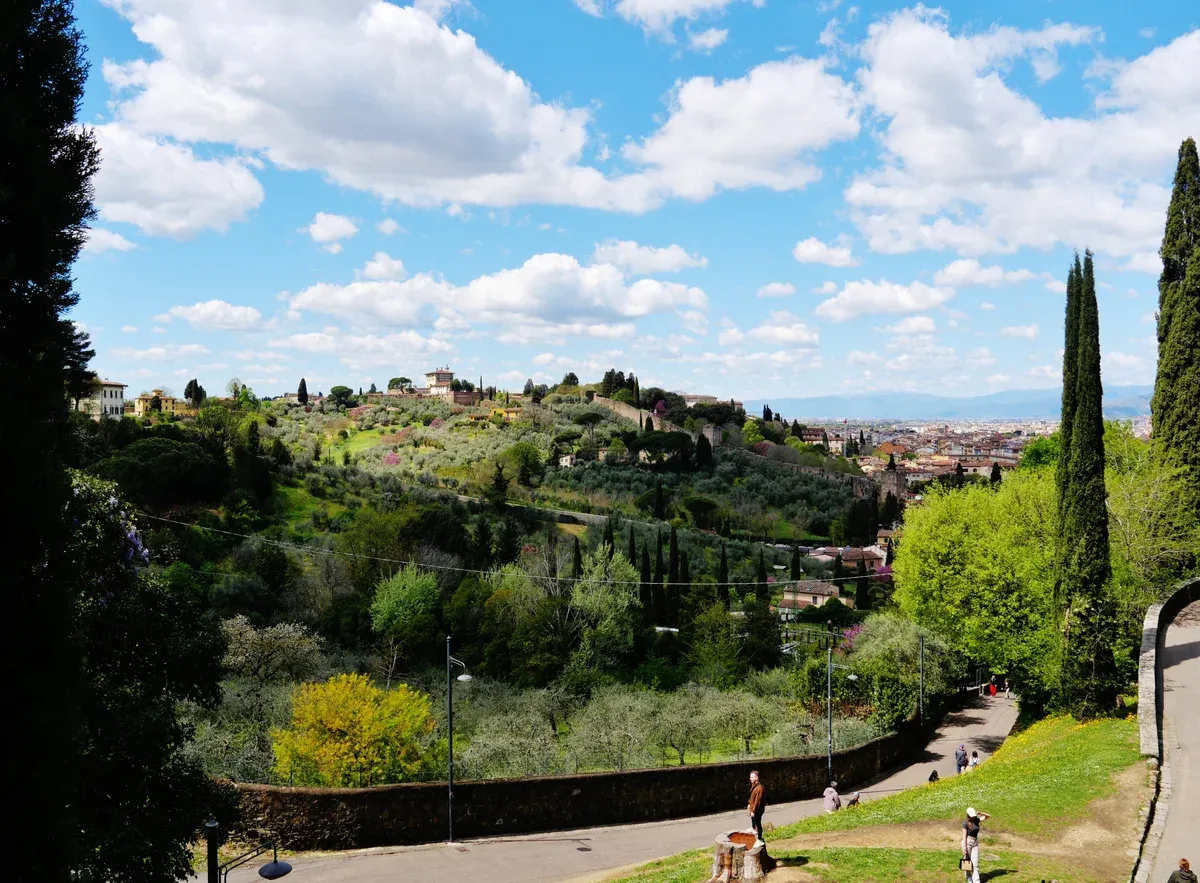
The Rose Garden below Piazzale Michelangelo looks out over the city. Photo: Zairon, CC BY 4.0, via Wikimedia Commons
Florence Timing FAQ
What is the best month to go to Florence?
October, with average highs in the low 70s Fahrenheit, fewer tourists and the fall sweet spot. April and early May are the best spring alternative. See the month-by-month table.
What is the rainy season in Florence, Italy?
There is no single rainy season. Summer is very dry with almost no rain, while April brings more rain showers and late autumn turns wetter. A per-month rainfall figure is not stated, so plan around spring and November as the wetter periods.
What is the cheapest time to go to Florence?
Winter, from November through February, when reduced hotel rates meet the lowest tourist numbers. April can also offer hotel deals outside Easter.
How many days do I need in Florence?
Three to four days covers the Duomo, the Uffizi and the Accademia, plus a day trip to Tuscany. In peak months, add buffer time for queues or book a guided slot like the Florence Duomo Complex Private Guided Tour.
What is the quietest time to visit Florence?
January and February, especially on weekdays. Florence gets noticeably busier on Saturdays and Sundays year round, so midweek travel helps in every month.
Is March a good time to visit Florence?
Yes, for lower prices and mild weather, with a typical high of 16°C (61°F) and lows of 5°C (41°F). Crowds are still moderate and the Florentine New Year falls on March 25th.
Is December a good time to visit Florence?
Yes, if you want low-season rates, short Uffizi lines and the Florence Biennale. Temperatures sit between the mid-30s and upper 50s Fahrenheit, so pack warm layers.
Should I book tours in advance for high season?
Yes. In May, June and September, probably the highest prices and tourist numbers of the year meet the longest lines. A Private Florence Tour: 3-Hour Walking Tour with a Licenced Guide secures a guide and every tour on this site offers free cancellation up to 24 hours before.
More Guides
- Private Chianti Wine Tour from Florence
Compare 3 private Chianti wine tours from Florence in 2027, from 4 to 8 hours, two wineries, lunch and free 24h cancellation. Book the right one.
- Private Cooking Class in Florence and a Food Tour
Compare private Florence cooking classes from $54, with pasta menus, market tours and food tours. See prices, hours and group sizes, then book for 2027.
- Florence Golf Cart Tour, Fiat 500 and Vespa Sidecar Rides
Florence golf cart tour 2027: three private rides of 1.5 hours or more in the hills above the Arno. Compare them and check availability.